Driverless, not ruleless: Why 2026 is the year for federal AV standards

For years, 2026 has been a major target for the autonomous vehicle industry. That optimism sharpened at the Consumer Electronics Show in Las Vegas earlier this month, where the leaders of the National Highway Traffic Safety Administration, the Federal Motor Carrier Safety Administration, and the Federal Highway Administration presented their vision for the U.S. autonomous vehicle industry and a long-awaited federal framework. Their message was clear: 2026 is the year autonomous vehicle policy will drive America forward.
The need could not be clearer. Nearly 40,000 Americans die on our roads every year. That number has barely budged for decades, and tragically, we’ve grown comfortable with it. In fact, one in eight fatal crashes involves large commercial vehicles. These preventable deaths are overwhelmingly the result of human error, and are a function of policy choices that preserve the status quo.
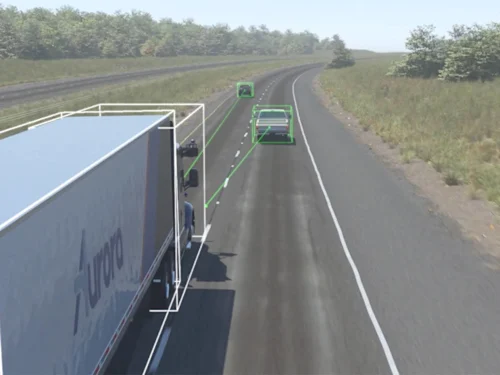
A growing body of research shows that autonomous vehicles are less likely to cause an injury crash than traditional vehicles. And increasingly, that evidence is grounded in real-world scenarios. In fact, we recreated simulations of 29 real-world fatal crashes on I-45 in Texas and in every case, autonomous trucks would have avoided the crash. Said simply, if the driverless technology had been in control, none of these fatal collisions would have occurred and those families would have been spared from tragedy.
To address this crisis, the federal government has begun modernizing vehicle regulations to ensure industry can develop and deploy innovative ways to make our roads safer. The U.S. Department of Transportation is working on various rulemakings that support the development of AV technology and its deployment across the United States.
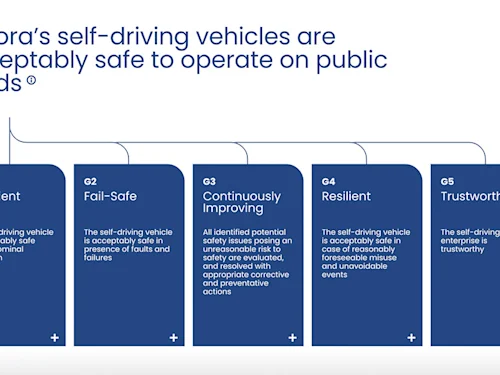
In parallel, the U.S. Congress is considering two key pieces of legislation in preparation for the surface transportation reauthorization process: the AMERICA DRIVES Act and a new draft of the SELF-DRIVE Act. This process is an opportunity that only comes up every five or six years and will help shape, fund, and prioritize transportation policy and projects across the country. These two bills will create a national framework for the safe deployment of AVs, addressing issues from safety cases, a national safety data repository, and cybersecurity, to a long-term solution for alternative warning devices thereby ensuring the flow of interstate commerce.
At the state level, momentum continues as well. Across the country, legislatures have repeatedly rejected anti-autonomous vehicle proposals. Even California – one of the most cautious states when it comes to driverless trucking – is moving toward final regulations that would allow deployment of autonomous trucks.
This is not about clearing the way for anything-goes experimentation – it’s about updating outdated rules written decades ago. At all levels of government, the momentum behind smart, innovative policy solutions is unmistakable, as are the benefits of autonomous vehicles.
Safe deployment of autonomous vehicle technology is critical, and that’s why regulation matters. In a notable departure from tech-sector tradition, the autonomous vehicle industry has been repeatedly asking for clear rules and strong oversight. Smart safety policy protects the public, ensures new entrants meet high standards, and prevents corner-cutting in a sector where the stakes couldn't be higher.
As the U.S. Department of Transportation embarks on a massive year for autonomous vehicle policy and Congress considers surface reauthorization legislation, the U.S has an opportunity to do two things at once: significantly improve road safety and cement its position as the global leader in autonomous vehicle development.
After a decade in autonomous vehicle policy, I’m hopeful the United States will finally recognize its leadership position as the global hub for autonomous vehicle development, with a smart regulatory framework to match. I am energized – and optimistic – that this is the moment we deliver a national framework worthy of the lives it can help save.
Related (06)
Safety Case Framework Development and Tailoring
Honoring First Responders: Working Together to Keep Our Roads Safe
Guiding the Industry: Aurora's Expertise Raises the Bar for Safe AV Commercial Operations

An Update on Warning Beacons
Stories from the road: Safety readiness case studies