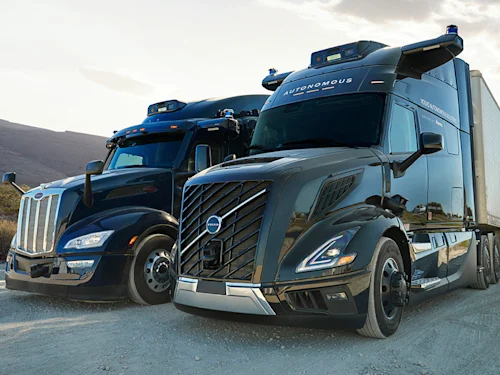
We’re excited to share more about our second-next generation of the Aurora Driver. Tune into our livestream debut tomorrow on Thursday, July 23 at 3:30 p.m. ET / 12:30 p.m. PT.
Sign up to watch at aurora.tech/letsroll.
What did we announce?
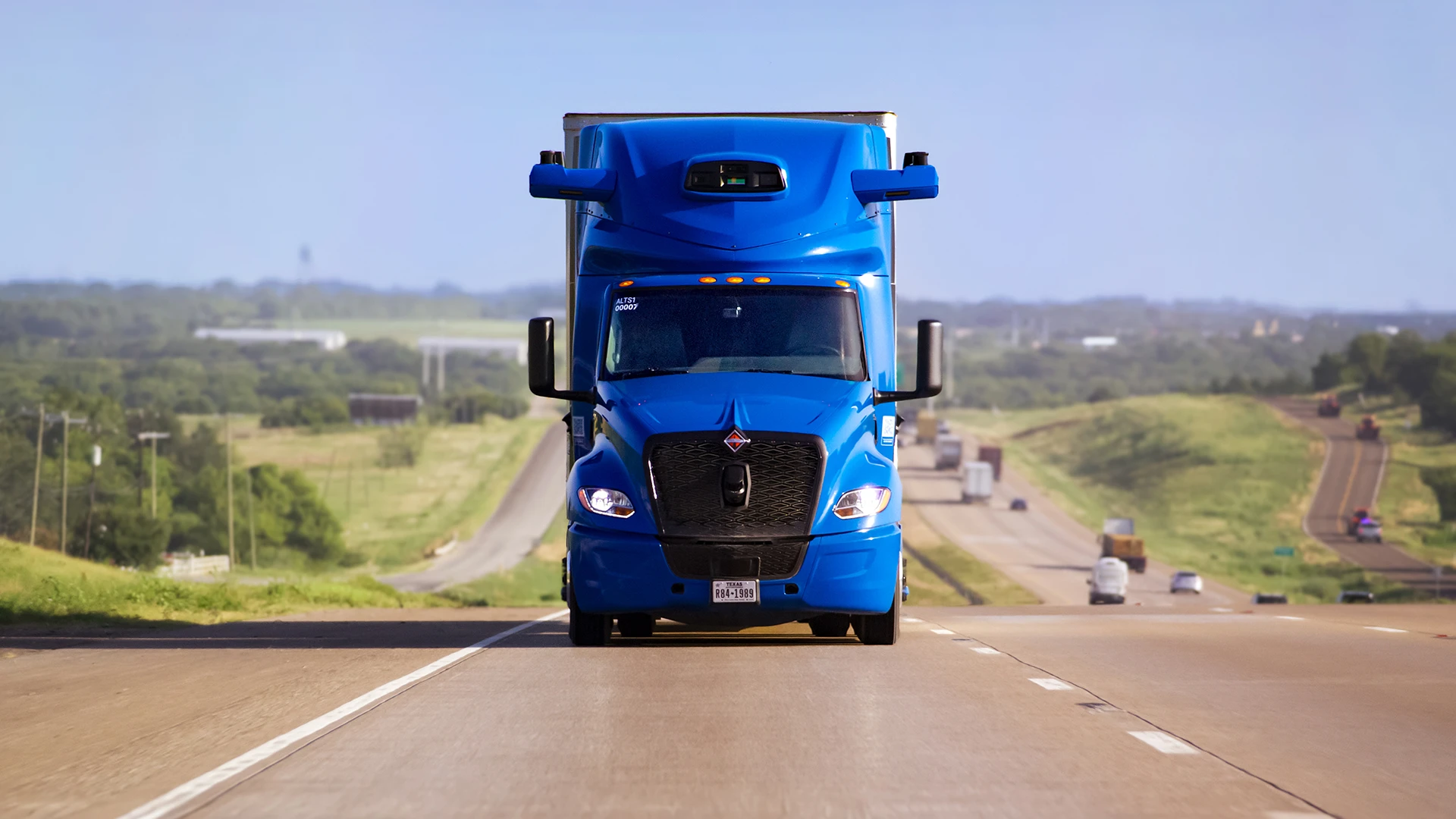
We just reached a milestone we’re incredibly proud of: the Aurora Driver is now operating without a person behind the wheel, on our second-generation driverless trucks built on the International® LT® Series vehicle. This launch establishes the foundation for scale, proving our ability to deploy autonomous trucking safely and responsibly on the path to high-volume commercial operations.
Is anyone in the truck?
The driver's seat is empty. The Aurora Driver handles all of the driving.
You may see a member of our roadside assistance team riding in the rear seat on some trips. They're onboard to gather feedback and provide support like roadside assistance should it be needed. We're actively building partnerships with providers who offer these services for traditional fleets, which we expect to go live later this year.
To be clear: this person is not there to drive or to supervise the driving. The Aurora Driver does that on its own.
How do you know the trucks are safe to drive on their own?
Before we operate any truck autonomously, we have to close a Safety Case, a comprehensive, evidence-based bar we use to confirm the Aurora Driver is acceptably safe on public roads. We've used this same framework to validate everything from night driving to new routes to El Paso, Phoenix, and Laredo.
We closed our Safety Case for this release before removing the operator from the driver’s seat, exactly as we did for our first driverless trucks. That's our well-established standard, and we don't operate fully autonomously until it's met. Recently, Edge Case conducted a multi-dimensional review of Aurora’s Safety Case, and confirmed our Safety Case is well-structured, substantively aligned with leading industry best practices, and actively maintained.
What happens if something goes wrong on the road?
If the truck encounters an issue, the Aurora Driver is designed to pull over to a safe location on its own and resume its trip when it's able to.
If a truck needs hands-on help, like repairing a blown tire or other roadside assistance, a member of our dedicated team is ready to respond promptly. We take our responsibility on the road seriously and we’re proud of our safety record.
What backup systems do the trucks have?
Like our other platforms, these trucks are built with redundancy in the systems that matter most, including braking, steering, and power distribution. If one critical system has a problem, another is there to keep things operating safely. Our hardware meets automotive industry standard ISO 16750-3 and is built for a million-mile service life. We validated the full platform through our Safety Case before driverless operation.
Where will these trucks operate?
We plan to deploy the new fleet across our commercial network, which today includes 10 driverless routes throughout the U.S. Sun Belt. We’ll continue to expand our network where we can deliver the most value for our customers.
How can I get one of these trucks?
These trucks are ready to work. Schedule a call with our team.
Today we operate under a model we call Transportation as a Service, where Aurora owns and operates the trucks on behalf of our customers, who pay for dedicated capacity. Think of it as "try before you buy." We expect to offer trucks for customers to own and operate next year.
Related (06)
Driving the Inflection
First-of-Its-Kind Independent Audit Recognizes Aurora’s High Commitment to Self-Driving Safety
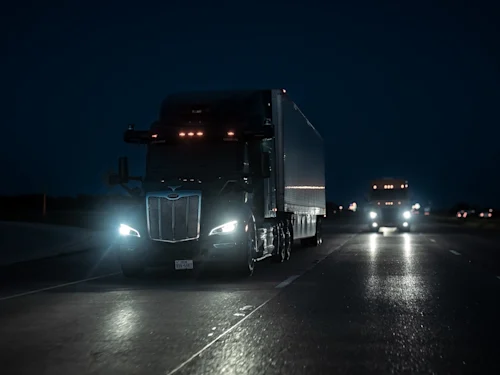
The Road Never Sleeps: Aurora’s Trucks Go Driverless Day and Night
Trust and Transparency: Aurora’s Work with Government Leaders Ahead of Self-Driving Operations
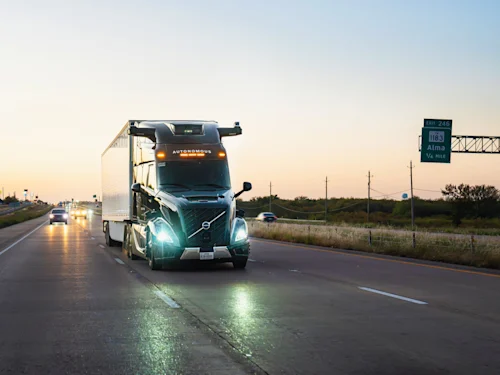
Answering More of Your Questions About Aurora and Autonomous Vehicles